
How to Select the Best Pain Management Billing Company in Clearwater
Expert Medical Billing offers high-quality medical billing, coding, and revenue cycle management. Improve billing efficiency and increase revenue per visit.
June 21, 2026 · 5 min read · Clearwater

Pain management practices handle a combination of consultations, diagnostic services, injections, interventional procedures, medication management, and advanced therapies. This variety makes billing more demanding than simply submitting claims after each patient visit. Every service must move through the correct eligibility, authorization, documentation, coding, submission, and follow-up process.
Choosing the right Pain Management Billing Company in Clearwater can therefore have a direct impact on the financial organization of a practice. The best company should offer more than inexpensive claim processing. It should understand pain management workflows, communicate clearly with practice staff, monitor unpaid claims, and help identify recurring problems before they become larger revenue issues.
Practices should also consider how easily a billing partner can work with their existing Electronic Health Records (EHR) platform. Smooth access to clinical and billing information can reduce manual work and make it easier to resolve documentation or claim questions without disrupting patient care.
What Billing Challenges Commonly Affect Pain Management Practices in Clearwater?
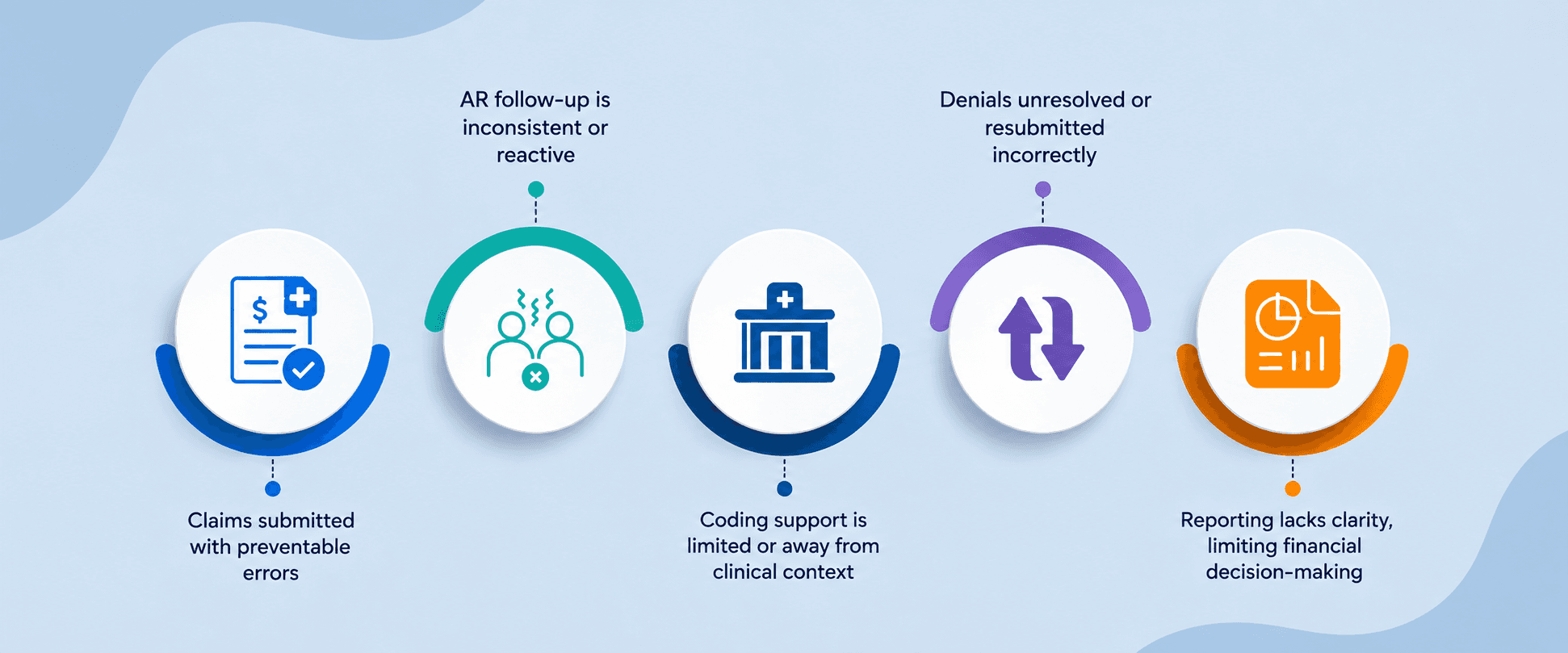
Pain management billing can encounter problems before, during, and after claim submission. Insurance eligibility may change, authorization requirements may vary by payer, or a procedure may require specific documentation demonstrating medical necessity. When these details are overlooked, the result may be a rejection, denial, or delayed payment.
Coding is another important concern. Pain management practices often perform multiple services with different diagnosis and procedure requirements. Understanding CPT vs. ICD-10 Codes helps billing personnel connect the procedure performed with the documented condition being treated. Modifier requirements and payer-specific edits can add another layer of complexity.
Aging accounts receivable can also quietly weaken cash flow. A claim may have been submitted correctly but remain unpaid because additional information was requested or the payer processed it unexpectedly. Without consistent follow-up, these balances can remain outstanding for months.
The strongest billing workflows identify patterns rather than treating each unpaid claim as an isolated problem. If a particular payer, procedure, or authorization process repeatedly creates denials, the practice can investigate the underlying cause and make an operational correction.
Which Pain Management Procedures Require Greater Billing Attention?
Not every pain management service carries the same billing risk. Routine office visits can still require accurate documentation and coding, but interventional procedures frequently involve more complicated payer requirements. Medical Billing and Coding teams should pay particular attention to services involving authorization, multiple procedures, specialized documentation, or expensive treatment.
Advanced pain treatments such as spinal cord stimulation can involve multiple steps, including evaluation, trial procedures, implantation, and follow-up care. Insurance requirements may differ between stages.
An organized EMR can help connect clinical records with the billing workflow, but technology alone is not enough. Staff still need to confirm that required documentation, authorization details, and claim information are complete before each stage moves forward.
How Can Better Billing Prevent Revenue Loss and Claim Denials?
Revenue loss often begins before a claim reaches the insurance company. Incorrect demographic information, inactive insurance, missing authorization, incomplete charge capture, or insufficient documentation can create problems that later appear as denials.
An effective Revenue Cycle Management process addresses these risks from the beginning. Eligibility verification can identify coverage problems before treatment, while authorization checks help staff understand payer requirements. Accurate charge entry and claim review can then reduce avoidable errors before submission.
After submission, payment posting and denial follow-up become equally important. Underpayments should be reviewed when appropriate, and denied claims should be categorized by reason. This makes it possible to see whether problems originate with registration, authorization, documentation, coding, or payer processing.
Better billing is therefore not simply about working claims faster. It is about reducing preventable rework while building a more predictable path from patient service to final payment.
What Should You Look for When Comparing Pain Management Billing Companies?
Price is important, but it should not be the only factor used to compare billing companies. A low-cost service can become expensive if weak follow-up allows denials and old A/R to accumulate. Clearwater practices should evaluate the actual scope and quality of the service being offered.
Specialty Billing Experience
Ask potential companies how familiar their teams are with interventional pain management workflows. A Medical billing expert should understand that specialty billing involves more than selecting codes. Authorization, documentation, payer policies, procedure sequencing, and follow-up all influence reimbursement.
A company should also have a process for keeping its billing personnel informed when coding requirements or payer policies change.
Denial and A/R Management
Claim submission is only the beginning of the process. Ask how frequently unpaid claims are reviewed, how denials are prioritized, and how unresolved accounts are escalated.
A strong RCM approach should also produce useful denial information. When practices can see why claims are being denied, they can address recurring front-end or documentation problems instead of repeatedly correcting the same errors after submission.
Technology and Reporting Capabilities
A billing company should be able to work efficiently with the practice's technology while maintaining appropriate controls for patient information. When evaluating vendors, practices should ask how system access, data exchange, reporting, and user permissions are managed.
Security processes should also reflect applicable HIPAA Rules and Regulations. Practices should understand how billing information is accessed, transmitted, and protected throughout the outsourced workflow.
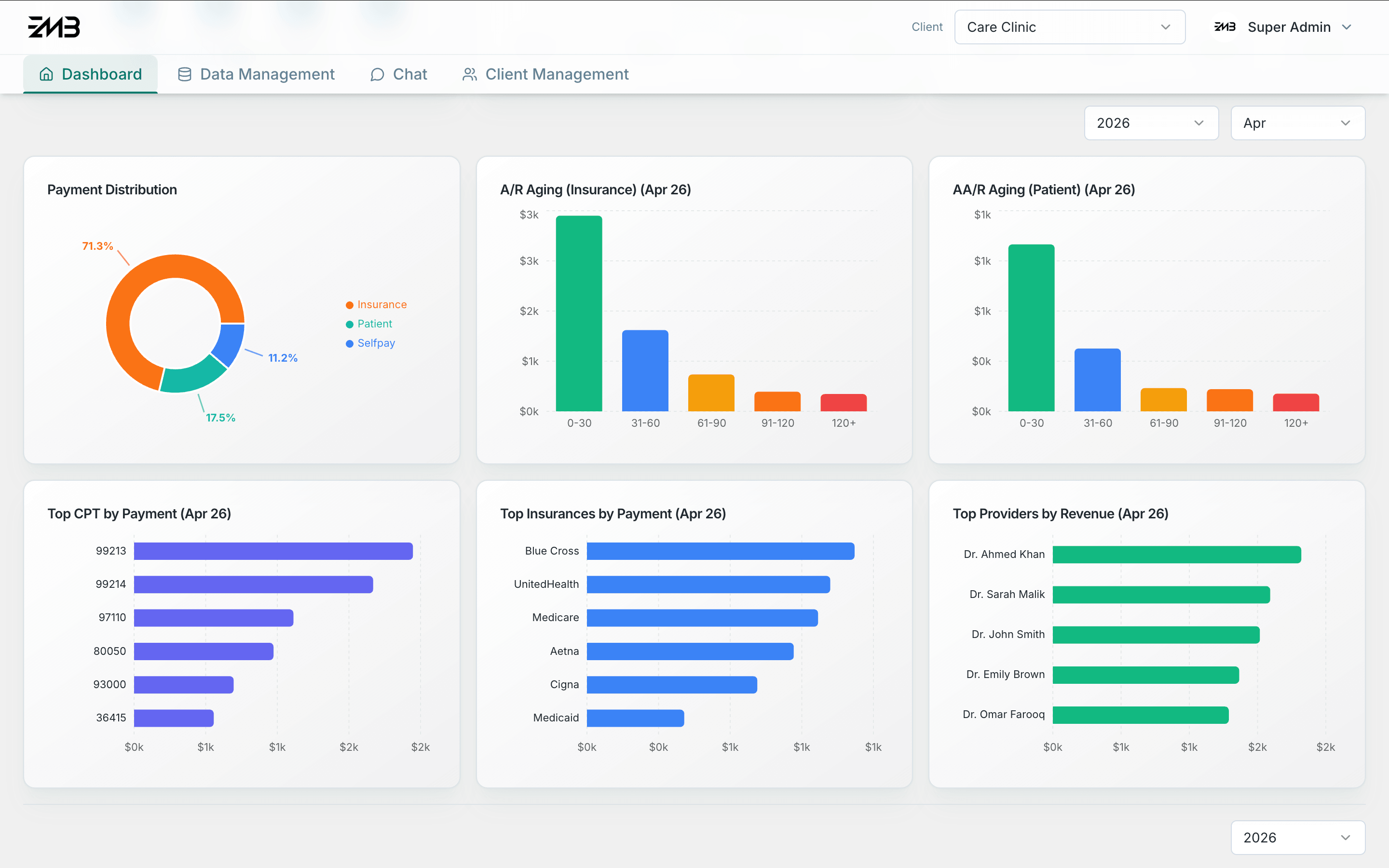
Reporting is equally important. Useful reports should make it easier to review collections, A/R aging, denials, payer activity, and other meaningful financial indicators.
Why Choose Expert Medical Billing for Your Clearwater Pain Management Practice?
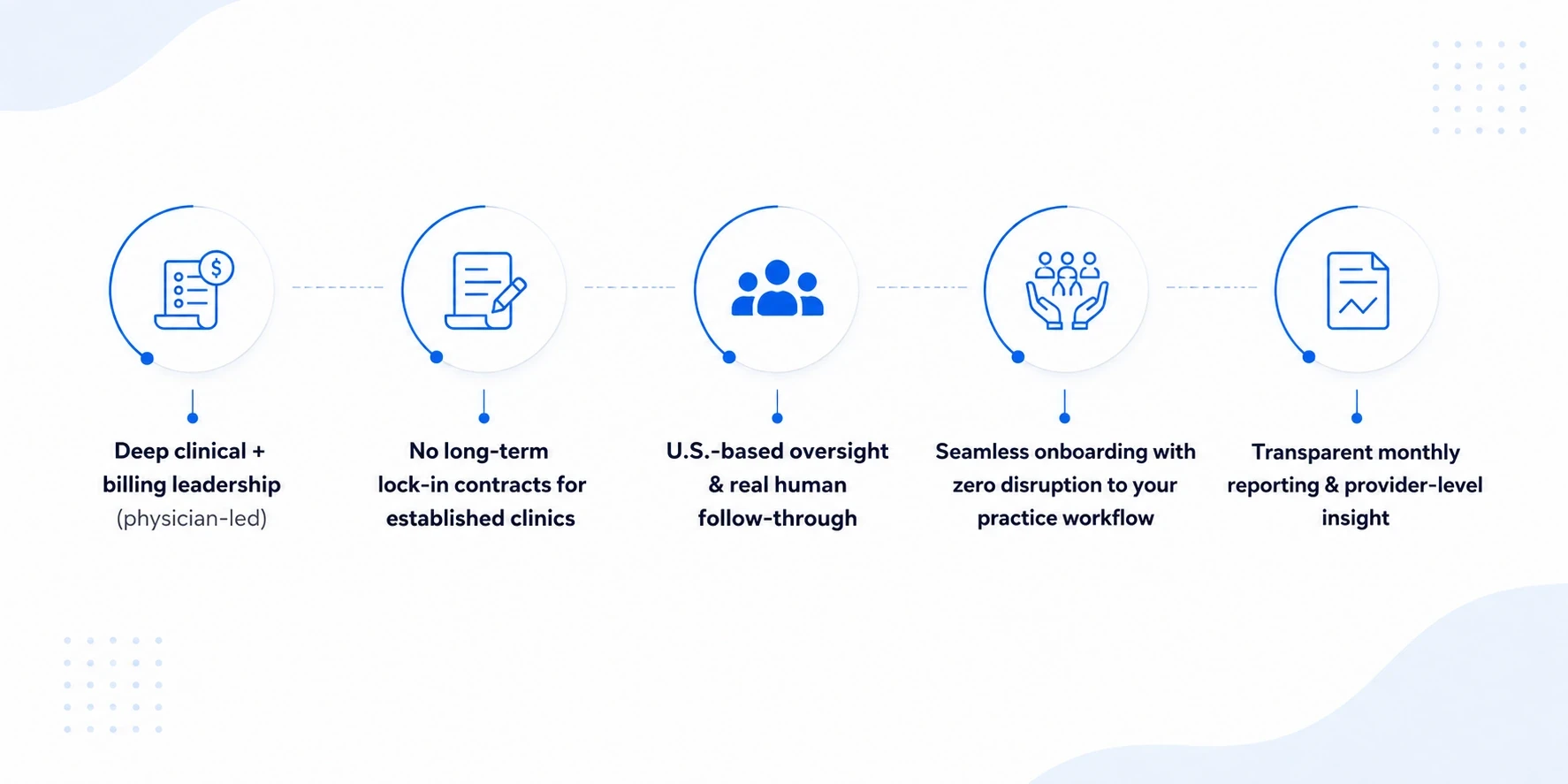
Expert Medical Billing can be considered by Clearwater practices looking for an outsourced partner capable of supporting multiple parts of the billing workflow. The evaluation, however, should focus on how well its services match the individual practice rather than relying solely on company claims.
Pain management providers should ask who will handle their accounts, what tasks are included, how communication works, and how billing problems are escalated. Access to an Experienced medical billing team can be especially useful when a practice performs a varied mix of office-based and interventional services.
The billing relationship should also provide financial visibility. Practice owners and managers need to understand what has been billed, what has been paid, which balances remain outstanding, and where recurring problems are occurring. This information can support better operational decisions without requiring physicians to manage individual claims themselves.
What Are the Benefits of Outsourcing Pain Management Billing?
Outsourcing allows practices to shift specialized administrative responsibilities to a dedicated billing operation. This can be valuable for offices where internal staff already manage scheduling, patient communication, referrals, authorizations, and other daily responsibilities.
A professional billing partner may also give a practice access to broader billing resources without requiring it to hire and train additional employees for every function. This can make growth easier when claim volume increases or additional providers join the practice.
Outsourcing may also improve consistency. Instead of billing performance depending heavily on one internal employee, practices can establish standardized processes for claims, payment posting, denials, and A/R follow-up.
However, outsourcing does not mean giving up financial oversight. The practice should continue reviewing reports, communicating about operational issues, and evaluating whether the billing relationship is meeting agreed expectations.
How Does EMB Customer Support Help Keep Your Revenue Cycle Moving?
Good communication can significantly influence the success of an outsourced billing arrangement. Some claim problems cannot be solved by the billing company alone. A payer may request documentation, a coder may need clarification, or staff may need to verify information related to a patient's coverage.
Responsive Customer support gives the practice a clear route for resolving these questions. Rather than allowing an issue to remain buried in an aging report, the billing team and practice staff can determine what information is needed and who is responsible for the next step.
Communication should work in both directions. The practice should be able to ask questions, but the billing company should also proactively identify repeated documentation gaps, payer issues, or workflow problems that require attention.
Regular discussions around denials, outstanding A/R, and financial trends can make the relationship more useful than basic claim processing alone.
How Does EMB Pricing Work for Pain Management Practices?
Billing costs should be evaluated according to the actual needs of the practice. Factors such as provider count, monthly claim volume, procedure mix, existing A/R, and required services can influence the scope of work.
EMB Offers Simple, Transparent, and Value-Driven Pricing Plans
- No hidden fees
- No long-term contract lock-in for established practices
- Cost is aligned with results when you grow, we grow
Practices should determine whether a proposed fee includes claim submission, payment posting, denial management, A/R follow-up, reporting, coding assistance, patient billing, or other services. Two companies can quote different prices while offering substantially different levels of support.
A cost comparison should therefore consider overall value. A lower fee may not represent meaningful savings if the practice must continue performing important billing functions internally.
Before choosing Expert Medical Billing or another provider, request a clear explanation of the pricing model, included services, additional charges, onboarding requirements, and contract terms. Transparent expectations make it easier to calculate the real financial impact of outsourcing.
What Do Healthcare Providers Say About Expert Medical Billing?
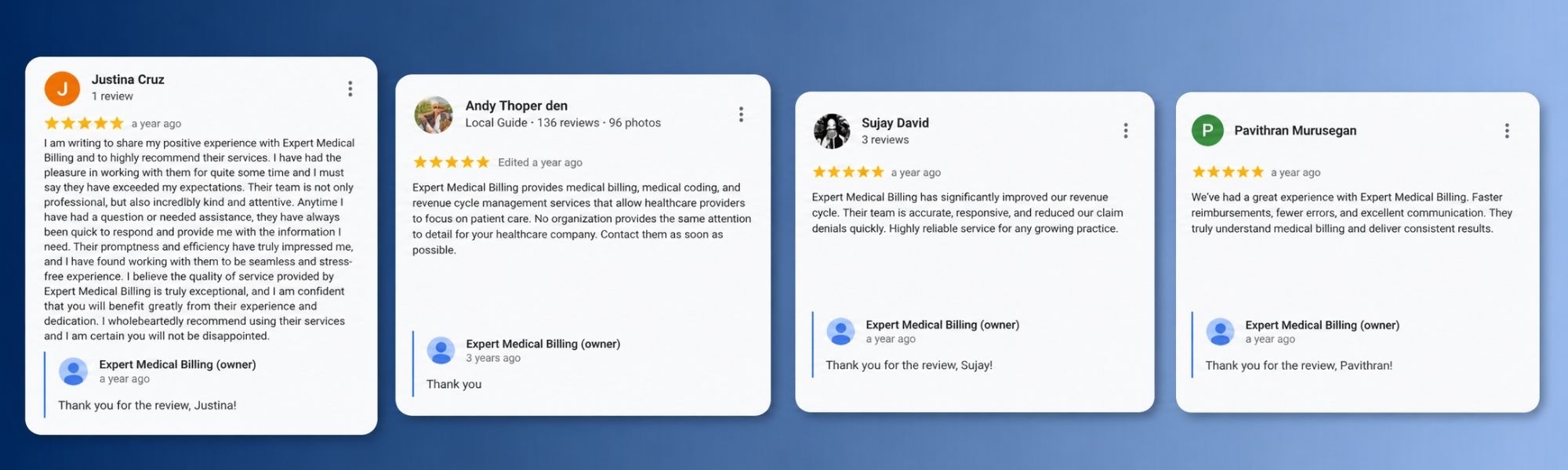
Testimonials can provide useful context, particularly when they describe specific aspects of the client experience. Practices evaluating Expert Medical Billing should look for feedback related to communication, onboarding, responsiveness, reporting, denial management, and follow-through rather than relying only on general praise.
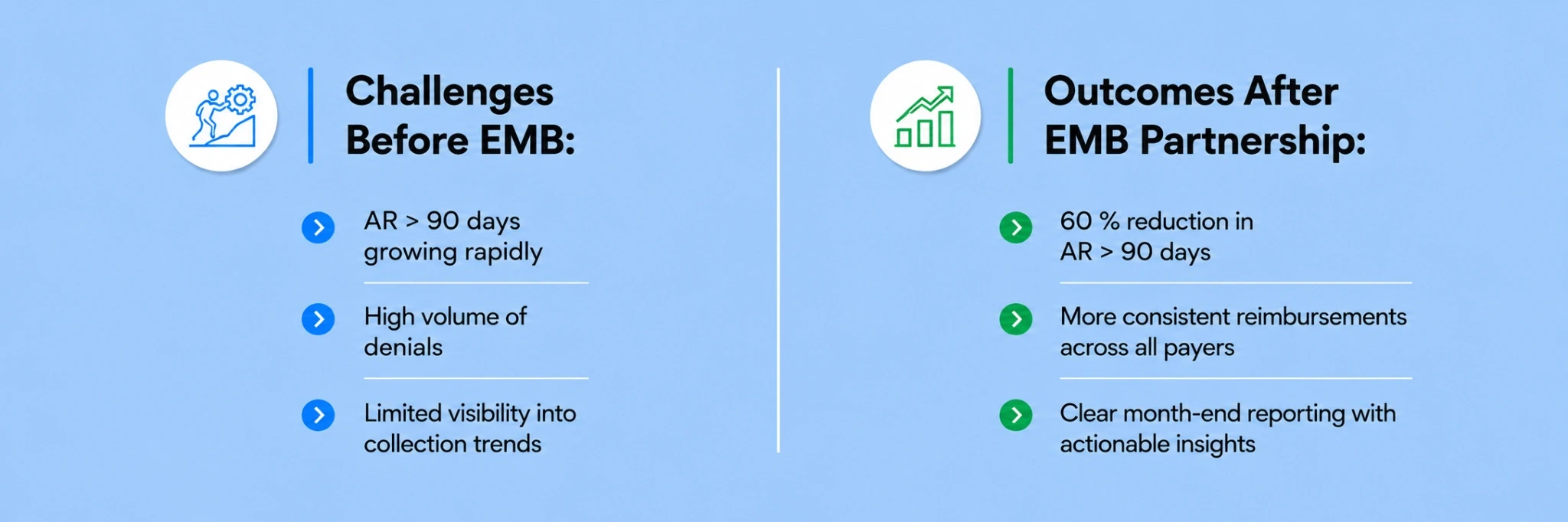
Prospective clients can also ask whether relevant references or documented case studies are available. When performance data is provided, practices should consider the starting conditions, measurement period, payer mix, and services included before assuming the same results will apply to their organization.
Provider experiences are most useful when combined with direct evaluation. A practice should ask detailed questions about workflow, responsibilities, reporting, and problem resolution before making a final decision.
Conclusion
Selecting the best Pain Management Billing Company in Clearwater requires a broader evaluation than comparing fees. Pain management practices need a partner that understands complex procedures, authorization requirements, documentation, denials, aging accounts, and the day-to-day realities of specialty billing.
The right company should also provide clear communication and useful financial visibility while fitting the practice's operational needs and budget. By comparing experience, workflow, technology, reporting, service scope, and pricing together, Clearwater pain management practices can make a more informed decision and build a billing process that supports stable, sustainable growth.
Wondering what this looks like in your center?
A discovery call is a straightforward conversation about where your revenue cycle stands today and who is accountable for it.